
From a dog scratching more than usual to a bird losing feathers or a farm animal struggling to maintain weight, parasites can cause a surprising range of health problems. Understanding parasites is an important part of keeping the animals in your care comfortable and healthy.
Unfortunately, parasites aren’t always easy to spot. Some live on the skin, while others affect internal organs, and many infections develop before noticeable symptoms appear. Greenbrier Animal Clinic addresses parasite health concerns for dogs, cats, birds, exotic pets, and small farm animals in Anniston, AL.

Different Animals Face Different Parasite Risks
Parasites aren’t limited to fleas and ticks. Different species can encounter different organisms, making it essential to understand the risks associated with your particular animal.
Dogs and Cats
Fleas, ticks, heartworms, and intestinal parasites are common concerns for dogs and cats. Fleas can cause intense itching and allergic reactions, while ticks may transmit serious diseases. Heartworms spread through infected mosquitoes and can damage the heart and lungs, particularly in dogs.
Exotic Pets
Pet birds may develop mites, lice, or certain intestinal parasites. Depending on the infection, symptoms can include feather damage, skin irritation, weight loss, or changes in droppings.
Exotic pets, including rabbits and small mammals, may experience species-specific mites, lice, and intestinal parasites. Some rabbits are also vulnerable to flystrike, a dangerous condition involving fly larvae that requires immediate veterinary treatment.
Small Farm Animals
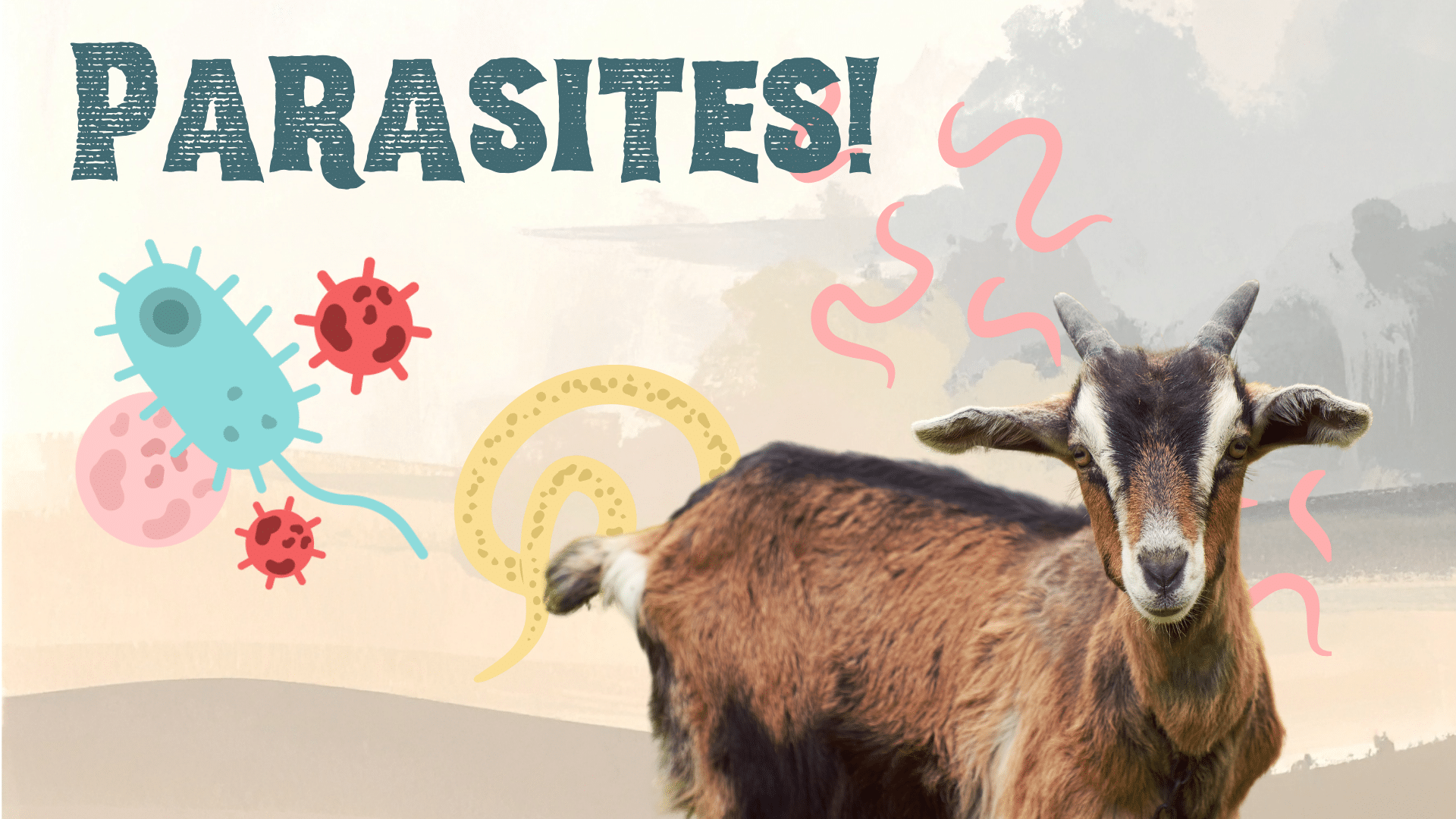
Goats, sheep, pigs, and other small farm animals can encounter internal worms and external parasites. Heavy infestations may contribute to anemia, poor growth, weight loss, skin irritation, or digestive problems.
Parasite Infections May Develop Without Obvious Symptoms
Parasite infections can be difficult to recognize until obvious symptoms occur.
Dogs and cats might develop scratching, diarrhea, vomiting, coughing, or unexplained weight loss. Birds may show changes in feather condition or activity, while exotic pets sometimes experience skin irritation, hair loss, or reduced appetite. Small farm animals may exhibit poor body condition, weakness, diarrhea, or decreased productivity.
These symptoms can indicate other medical problems, too. Veterinary examinations and diagnostic testing can determine whether parasites are involved.
For dogs and cats, routine intestinal parasite screening can detect certain infections even when an animal appears healthy.

Alabama’s Climate Makes Year-Round Prevention Important
Living in northeastern Alabama means enjoying relatively mild winters and long periods of warm weather. Unfortunately, those conditions also support parasite activity. Mosquitoes, fleas, and ticks are especially concerning during warmer, humid months. However, some parasites remain active during mild winter periods or survive indoors throughout the year.
Animals spending time in yards, wooded areas, pastures, or outdoor enclosures may face additional exposure. Year-round pet parasite prevention is particularly valuable for dogs and cats, but birds, exotic pets, and farm animals benefit from consistent monitoring and appropriate environmental management, too.
Remember that parasite medications aren’t interchangeable between species.
Everyday Care Can Reduce Parasite Exposure
Good hygiene and environmental maintenance play a valuable role in reducing parasite risks.
For dogs and cats, regularly wash bedding, promptly remove waste, and check for ticks after outdoor activities. Keeping lawns maintained and addressing flea infestations early can also reduce exposure.
Bird owners should clean cages, perches, and feeding areas regularly. For exotic pets, replacing soiled bedding and monitoring skin and coat condition can make potential problems easier to identify.
Small farm animal owners should maintain clean shelters, manage manure appropriately, and avoid overcrowding. Pasture management may also reduce exposure to certain intestinal parasites.
These habits support animal health, but they don’t replace veterinary testing or species-appropriate preventive care.

Veterinary Guidance Makes Parasite Prevention Safer
There is no single prevention plan suitable for every animal.
A dog that spends weekends hiking may need a different approach than an indoor cat. Similarly, a backyard chicken or pet rabbit requires different parasite monitoring than a goat grazing in a pasture.
Greenbrier Animal Clinic uses preventive examinations and diagnostic services to evaluate health concerns and recommend parasite prevention methods.
Protect Your Animals From Parasites in Anniston, AL
Pet parasites can cause more than temporary discomfort. Without appropriate care, certain infections may lead to serious illness and long-term health complications.
For more than 40 years, Greenbrier Animal Clinic has served families throughout Anniston, Oxford, and Jacksonville. Our experienced veterinary team welcomes dogs, cats, birds, exotic pets, and small farm animals.
Take a proactive approach to protecting your animals from parasites. Contact our team to schedule a veterinary appointment today.